Table of Contents
Why Careful Tool Selection Process Matters in Construction
Step onto a construction site and you’ll witness a symphony of tools, each designed for a particular role in the construction process. The significance of selecting the appropriate tool surpasses convenience or customs; it can determine the difference between safe, efficient, and high-quality work, as well as delayed timelines, costly errors, or, in the worst-case scenario, injuries. Let’s discuss why the correct tool selection is crucial and how it can impact project outcomes.
Understanding the Tool Selection Process is essential for achieving optimal results in construction. The Tool Selection Process significantly enhances safety by ensuring the right equipment is used for the job.
1. Safety as a Priority
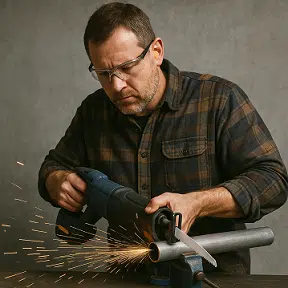
The construction sector continues to be identified as one of the most dangerous industries globally. Most reported accidents can be traced back to improper use or makeshift solutions, such as using the wrong ladder size, substituting a screwdriver with a chisel, or using a grinder wheel not designed for concrete. Tools specifically designed for certain tasks have built-in safety features like protective guards, non-slip grips, and shock-absorbing handles. When the correct tool is used, it significantly reduces the risk of recoil, breakage, repetitive strain injuries, and more severe accidents that could jeopardize the entire crew’s safety.
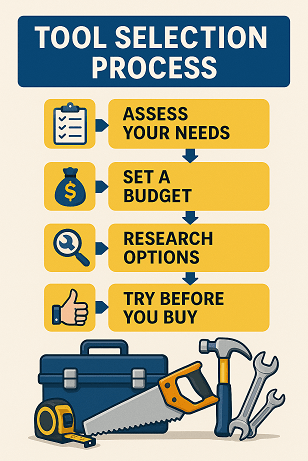
With a proper Tool Selection Process, you can ensure every project is completed accurately and efficiently. Implementing an effective Tool Selection Process minimizes waste and maximizes material usage.
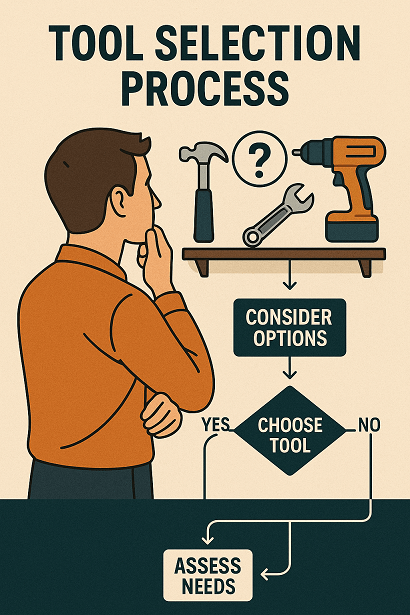
Utilizing a rigorous Tool Selection Process helps comply with regulations and avoid legal issues. Investing in the right tools through a thoughtful Tool Selection Process can significantly boost worker morale. The Tool Selection Process can also contribute to sustainability efforts by promoting energy-efficient tools.
2. Precision Fuels Quality
The importance of precision in construction cannot be overstated, as even a carpenter’s square accurate to 0.05 mm can make a huge difference in seamless trim work. Tools like laser distance meters, digital levels, and fine-tooth saws ensure precision in every cut, hole, and joint, which aligns with design tolerances. Small discrepancies can quickly escalate, causing millimeters to become centimeters over a run of framing. Therefore, investing in precise measuring, marking, and cutting tools ensures straight walls, level slabs, and immaculate finishing work. This level of precision leads to fewer mistakes, reduced rework, and a reputation for quality that is undeniable.
3. Enhancing Productivity and Profitability
Time equates to profit in construction. Tools designed for speed and efficiency can significantly cut cycle times without sacrificing accuracy. The right tool can often combine steps, like a rotary hammer that both drills and chisels or a multi-line laser that levels, plumbs, and squares in one go. These time savings, even if they’re only a few minutes per task, can add up over hundreds of repetitions, resulting in significant schedule reductions. Such efficiency leads to less overtime and fewer rental extensions, which helps keep budgets in check.
4. Material Conservation Makes a Difference
Using inappropriate tools, like an underpowered saw on dense engineered lumber, can lead to wastage of both blades and expensive lumber. Similarly, over-tightening structural bolts with an oversized impact can weaken connections. Tools specifically designed for certain materials can minimize waste and rework, saving thousands in material costs over the course of a project and reducing trips to the supplier.
5. Regulatory Compliance and Liability
Building codes and industry standards often require certain tools or capabilities, particularly for crucial tasks like electrical terminations, post-installed anchors, or fall-protection setups. Non-compliance can lead to failed inspections, insurance issues, and potential legal problems if defects cause damage in the future. Selecting tools that meet UL, ANSI, or EN standards provides documentation that work was performed according to specifications, protecting both contractors and clients from potential disputes.
6. Boosting Worker Morale and Retention
Consulting with any professional in the field will reveal a consensus: working with worn-out or ill-suited tools can be quite disheartening. Providing quality, task-specific equipment not only shows respect for the workers’ skills but also demonstrates a commitment to safety. Well-equipped teams are less likely to experience frustration, produce better results, and are more likely to remain loyal to the company. In an industry where skilled labor is scarce, retaining talent is as crucial as securing contracts.
7. Sustainability is More Than Just a Trend
Efficient tools use less energy, reduce waste, and often come with interchangeable batteries or recyclable components. For projects aiming for green certifications or simply looking to reduce their carbon footprint, choosing eco-friendly, energy-efficient equipment can support broader sustainability goals. This practical approach increasingly influences client decisions and public perception.
Choosing Wisely: A Brief Guide
Ensure the tool’s capacity matches the demand—check load ratings, RPM/torque, and duty cycles. Prioritize ergonomics—look for vibration dampening, balanced weight, and comfortable grips. Verify certifications—ensure the tool complies with local codes and recognized safety standards. Consider the total cost of ownership, which includes maintenance, consumables, and downtime, not just the purchase price. Look for modularity in batteries, blades, and accessories, as it simplifies logistics. Lastly, remember that even the best tool is useless without proper training and maintenance.
Large Power Tool Organizer Wall Mount
In Conclusion
While construction is a complex field, the concept of “the right tool for the right job” is surprisingly straightforward. Choosing the correct tools can have a big impact on every project, from increasing productivity and profitability to guaranteeing safety and protecting materials.
By understanding the Tool Selection Process, contractors can choose wisely and effectively. To sum up, you can increase productivity and results by improving your tool selection process. Ultimately, the success of any construction project relies on a well-executed Tool Selection Process.